Solar Panels in Perth, WA, Australia: A Complete Guide to Solar Systems, Costs, Benefits and Installation
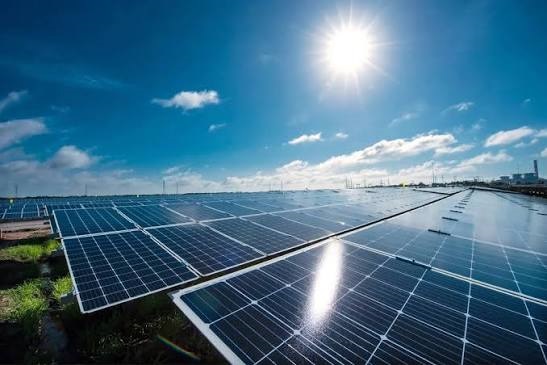
Solar panels in Perth, WA, Australia, are becoming an increasingly popular choice for homeowners and businesses looking to reduce electricity bills, improve energy efficiency and move towards sustainable power. With abundant sunshine throughout the year, Perth offers excellent conditions for generating clean solar electricity. Installing a suitable solar system can help households manage rising energy costs, reduce dependence on traditional electricity providers and enjoy greater control over their energy consumption.
Whether you own a residential property, manage a commercial building or operate a business, investing in solar energy can provide long-term financial and environmental benefits. Modern solar technology offers different system capacities, high-efficiency panels, advanced inverters and battery storage solutions designed to meet various energy requirements.
However, choosing the right solar system involves more than simply comparing installation prices. Factors such as roof orientation, electricity consumption, panel efficiency, inverter quality, battery capacity, installation standards and available government incentives all influence the performance and overall value of a solar investment.This comprehensive guide explains how solar energy works, the benefits of installing a system, available technologies, installation considerations, pricing factors and how to select a reliable solar installation provider in Perth.
Why Solar Energy Is a Smart Investment in Perth
Perth's sunny climate makes it an excellent location for residential and commercial solar installations. Solar photovoltaic technology converts sunlight into electricity, allowing property owners to generate power directly from their rooftops.Unlike conventional electricity generation, solar energy does not require burning fossil fuels during operation. This makes it an environmentally friendly alternative that can help reduce household carbon emissions.There are several reasons whxy property owners are considering solar energy:Lower electricity bills through self-generated electricity.Reduced reliance on electricity retailers.Better control over household energy consumption.Potential savings over the lifespan of the system.Increased interest from environmentally conscious property buyers.Opportunities to combine solar generation with battery storage.Support for electric vehicle charging at home or commercial premises.For many households, daytime electricity consumption includes appliances such as refrigerators, washing machines, air conditioners, computers and pool pumps. A properly designed solar system can supply a portion of this electricity directly, reducing the amount purchased from the electricity grid.Businesses can also benefit from rooftop installations by using solar-generated electricity during operating hours. Offices, warehouses, retail stores, workshops and manufacturing facilities can explore solar solutions to manage their ongoing operating expenses.
Understanding How Solar Panels Work
Solar photovoltaic panels contain solar cells that capture sunlight and convert it into direct current (DC) electricity. This electricity passes through an inverter, which converts DC electricity into alternating current (AC) electricity suitable for household appliances and commercial equipment.A typical grid-connected solar installation includes several important components
.1. Solar Panels
Solar panels are the primary components responsible for generating electricity. They are installed on rooftops or suitable ground-mounted structures where they can receive sufficient sunlight.The performance of panels depends on several factors, including:Solar cell technology.Panel efficiency.Wattage and system capacity.Roof direction and angle.Temperature performance.Shading and surrounding obstructions.Product warranty and degradation rate.Modern panels are available in different capacities, making it possible to design systems for small homes, large residences and commercial properties.Monocrystalline technology is widely used because of its efficiency and suitability for installations where roof space is limited. High-efficiency modules can generate more electricity from a similar roof area compared with some older technologies.
2. Solar Inverter
The inverter is another essential component of a solar installation. It converts the DC electricity generated by the panels into AC electricity that can be used by household appliances.There are several inverter technologies available:String inverters for conventional rooftop systems.Microinverters for individual panel-level conversion.Hybrid inverters designed to work with compatible battery storage.Three-phase inverters for suitable larger residential and commercial systems.Choosing an appropriate inverter is important because it influences system efficiency, monitoring capabilities and compatibility with future upgrades.
3. Solar Battery Storage
A solar battery stores excess electricity generated during daylight hours for later use. Instead of exporting all unused electricity to the grid, homeowners can store some of the surplus energy and use it during the evening or periods of lower solar production.Battery storage can be particularly useful for households that consume significant electricity after sunset.When comparing battery options, consider storage capacity, usable energy, charging and discharging efficiency, warranty, installation requirements and compatibility with the existing inverter.
4. Monitoring System
Modern solar installations often include monitoring applications that allow users to check electricity generation and system performance.Depending on the equipment, monitoring platforms may display:Daily solar production.Household electricity consumption.Grid electricity imports and exports.Battery charging levels.Historical energy generation.System performance alerts.Monitoring helps property owners understand how efficiently their system is operating and identify potential performance issues.
Benefits of Installing Solar Panels in Perth, WA, Australia
Investing in solar technology can provide several benefits beyond reducing electricity expenses. The actual savings depend on the system design, energy consumption, installation quality and electricity tariff.
Reduce Household Electricity Expenses
One of the biggest advantages of solar energy is the opportunity to generate electricity independently during daylight hours.When household appliances use electricity directly from the solar system, less energy needs to be purchased from the grid. This can help reduce electricity expenses over time.The level of savings depends on how much solar electricity is consumed on-site. Households that operate major appliances during the day may benefit from higher self-consumption.
Take Advantage of Perth's Sunshine
Perth receives substantial sunshine throughout the year, creating favourable conditions for solar electricity generation.A professionally designed system can use available roof space efficiently and generate electricity across different seasons.However, solar production changes according to weather conditions, seasonal daylight hours, roof orientation and shading. A reliable installation assessment should consider these factors before recommending a system capacity.
Reduce Environmental Impact
Solar energy is renewable and produces electricity without direct greenhouse gas emissions during operation.By replacing some electricity purchased from conventional generation sources, households and businesses can reduce their carbon footprint.Solar technology also supports Australia's wider transition towards renewable energy and encourages more sustainable energy consumption.
Increase Energy Independence
Electricity prices and household energy requirements can change over time. Generating electricity on-site gives property owners another way to manage their energy consumption.Combining solar panels with a suitable battery can provide additional flexibility by allowing stored electricity to be used when solar generation is low.However, ordinary grid-connected solar systems generally shut down during a grid outage unless they include appropriately designed backup functionality.
Support Electric Vehicle Charging
Electric vehicles are becoming an important part of Australia's transport transition. Homeowners with EVs can explore integrating solar generation with compatible EV charging equipment.Charging an electric vehicle during periods of strong solar production can help increase the use of self-generated electricity.A suitable installation should consider vehicle charging requirements, inverter capacity, household electricity consumption and the availability of smart charging features.
Popular Solar Panel Brands Available in Australia
Selecting quality equipment is important for achieving reliable solar performance. Several internationally recognised manufacturers offer solar panels, inverters and battery products suitable for Australian residential and commercial installations.Some popular solar brands include:Jinko Solar – Known for high-efficiency photovoltaic modules and residential solar applications.LONGi – Offers advanced monocrystalline solar technology and high-performance panels.Trina Solar – Manufactures solar modules for residential, commercial and utility-scale projects.Canadian Solar – Provides solar panels and energy storage solutions for different installation requirements.REC – Known for premium solar modules and efficiency-focused product designs.Qcells – Offers photovoltaic products for residential and commercial applications.Fronius – An established inverter manufacturer offering solar conversion and monitoring technology.Sungrow – Supplies solar inverters, hybrid solutions and battery storage products.GoodWe – Offers string and hybrid inverters for different solar system configurations.Sigenergy – Provides integrated solar, battery storage and energy management solutions.Tesla – Known for its Powerwall home battery storage technology.Not every product from these manufacturers is suitable for every property. Equipment availability, Australian approvals, warranty conditions and compatibility should be checked before purchasing.A quality solar installation should include compatible components rather than simply combining popular brands. The panels, inverter, battery and monitoring system must work together efficiently.
Government Rebates and Solar Incentives in Western Australia
Government incentives can make renewable energy installations more affordable for Australian households and businesses. However, it is important to understand the difference between solar panel incentives and battery-specific rebates.The Australian Government's Small-scale Renewable Energy Scheme (SRES) provides financial support for eligible rooftop solar installations through small-scale technology certificates (STCs). These certificates generally reduce the upfront system cost through a discount arranged by the solar retailer or installer.Eligibility requirements apply, including approved equipment and installation by an appropriately accredited professional.
WA Residential Battery Scheme
Western Australia also has a Residential Battery Scheme designed to support eligible households purchasing and installing battery storage.As of November 2026, the WA Government scheme provides rebates of up to:$1,300 for eligible Synergy customers.$3,800 for eligible Horizon Power customers.The scheme also provides eligible households with access to no-interest loans of up to $10,000, subject to income and other eligibility requirements. Participation in an approved Virtual Power Plant (VPP) is among the scheme requirements.
Federal Cheaper Home Batteries Program
The Australian Government's Cheaper Home Batteries Program supports eligible battery installations connected to new or existing solar PV systems.The program began on 1 July 2025, and its discount arrangements were adjusted from 1 May 2026. The discount is based on eligible battery capacity and applicable small-scale technology certificate calculations.
Before choosing a package, homeowners should confirm:Whether the selected battery is approved.Whether the installer is accredited.Whether the property meets eligibility requirements.Whether the proposed system supports VPP participation.How the rebate is calculated.Whether the discount is already included in the advertised price.Government incentives can change, so always check the latest official eligibility conditions before signing an installation agreement.
How to Choose the Best Solar Company in Perth
Finding the best solar company in perth requires careful research, particularly when comparing installation quality, product selection, warranties and customer service.A solar installation is a long-term investment, so choosing a provider based only on the cheapest advertised price may not deliver the best results.Consider the following factors when comparing solar installation companies.
Check Installer Accreditation
Always confirm that the solar installation professional has the required qualifications and accreditation. Solar Accreditation Australia provides information about accredited solar installers.The electrical work should be completed by appropriately licensed electricians and comply with relevant Australian requirements.
Compare Solar Equipment
Ask the provider about the exact panel and inverter models included in the proposed installation.Compare their efficiency, performance warranties, product warranties, manufacturer support and compatibility with future battery upgrades.
Read Independent Customer Reviews
Customer reviews can help you understand the experiences of previous clients.Look for feedback about:Installation workmanship.Communication and customer support.Installation timelines.Product quality.Warranty assistance.After-installation service.The company's response to complaints.Do not rely entirely on testimonials published on a company's own website. Compare independent reviews and investigate repeated complaints before making a decision.
Request Multiple Installation Quotes
Obtaining at least two or three detailed quotes can help you understand the market and identify differences between packages.Each quote should clearly mention:Total installation price.Solar panel manufacturer and model.Inverter specifications.Battery capacity, if included.Installation and electrical labour.Applicable government incentives.Product and workmanship warranties.Monitoring facilities.Additional electrical or roof-related expenses.Comparing complete system specifications is more useful than comparing the final price alone.
Understand Warranty and Maintenance Support
Solar panels, inverters and batteries have different warranty conditions. Ask who will handle warranty claims and whether local service support is available.A reliable provider should explain the maintenance requirements and offer clear guidance on what to do if the system stops generating electricity.
Solar System Packages for Different Property Requirements
Solar packages are available in different capacities depending on household consumption, roof space and electricity requirements.The correct system should be selected after reviewing electricity bills and evaluating the property's energy usage.
Small Residential Solar Systems
Smaller solar installations may suit apartments, compact houses and households with relatively low electricity consumption.These systems can help power essential appliances during daylight hours. However, available roof space, shading and electrical connection requirements should be assessed before installation.
Medium Residential Solar Systems
Medium-sized systems can be suitable for families using several electrical appliances throughout the day.They may support refrigerators, washing machines, lighting, computers, air conditioning and other household equipment.A suitable system design should balance generation capacity with actual electricity consumption.
Large Residential Solar Systems
Larger homes with swimming pools, multiple air conditioners, electric appliances and higher electricity usage may benefit from larger solar installations.However, a bigger system does not automatically guarantee better financial returns. Export limits, electricity tariffs, inverter capacity and daytime consumption must be considered.
Commercial Solar Packages
Commercial properties often have significant electricity requirements, making rooftop solar an attractive option.Suitable applications include:Office buildings.Warehouses.Retail shopping centres.Manufacturing facilities.Educational institutions.Hotels and hospitality businesses.Workshops and industrial buildings.Commercial solar systems can be designed around business operating hours, roof space, electrical infrastructure and energy demand.Businesses should also evaluate whether battery storage would provide additional value based on their electricity tariff and operating schedule.
Solar Panel Installation Process in Perth
A professional installation generally involves several stages, from the initial assessment to final system commissioning.
Step 1: Initial Energy Assessment
The installer reviews recent electricity bills to understand the property's average electricity consumption.This information helps determine the appropriate system capacity and expected solar generation.
Step 2: Roof Inspection
The roof is assessed for available installation space, orientation, angle, shading and structural suitability.Roof materials and electrical infrastructure may also influence the installation design.
Step 3: System Design and Equipment Selection
The installation provider recommends suitable panels, inverter technology and optional battery storage.The proposed design should explain estimated electricity generation, expected self-consumption and potential grid exports.
Step 4: Quote and Financial Planning
The homeowner receives a detailed quote covering equipment, installation, applicable discounts and additional expenses.Some providers may offer finance options or payment plans. Before accepting any financial arrangement, compare interest rates, fees, repayment periods and the total amount payable.
Step 5: Installation and Electrical Connections
Qualified professionals install the mounting equipment, panels, inverter and other required components.Electrical connections and grid approval requirements must be handled in accordance with applicable regulations and network requirements.
Step 6: Testing and System Commissioning
The installation is tested to ensure that the system operates correctly.The homeowner should receive the relevant documentation, monitoring access, equipment information and electrical safety certification.
Understanding Solar Panel Price in Perth
The solar panel price in Perth depends on several factors, including system capacity, equipment quality, installation complexity and optional battery storage.There is no single price suitable for every property because each installation has different requirements.The main factors influencing the total cost include:System capacity: Larger systems generally require more panels and potentially larger inverters.Panel technology: Premium and high-efficiency modules may have higher upfront costs.Inverter selection: String, hybrid and microinverter systems have different pricing structures.Battery storage: Adding a battery increases the initial investment but provides additional energy storage.Roof conditions: Complex roofs, difficult access and additional mounting requirements can increase labour costs.Electrical upgrades: Switchboard modifications, meter changes and additional cabling may involve extra expenses.Installation quality: Experienced installers and comprehensive workmanship warranties can influence the total price.
Is a Cheap Solar Installation Worth It?
Choosing the cheapest installation is not always the most economical decision.Low-cost systems may include equipment with limited warranties, basic monitoring features or less comprehensive after-sales support.Before accepting an attractive promotional deal, check the actual equipment specifications and installation inclusions.A detailed comparison should focus on overall value, expected electricity generation, product reliability and long-term service support.
Solar Batteries: Is Battery Storage Worth Considering?
Battery storage is becoming an important consideration for households looking to maximise their solar investment.Traditional grid-connected systems generate electricity during daylight hours. When production exceeds household consumption, surplus electricity may be exported to the electricity grid.A battery provides another option by storing some of this excess electricity for later use.
Benefits of Solar Battery Storage
Store excess daytime solar electricity.Use stored energy during evening hours.Potentially reduce electricity purchases from the grid.Improve control over household energy consumption.Support compatible backup power arrangements.Integrate with suitable electric vehicle charging systems.However, battery storage is not equally beneficial for every household.Its financial value depends on battery cost, electricity tariffs, export rates, daily consumption patterns and the amount of energy available for storage.Homeowners should compare the expected savings against the complete installation cost before making a decision.
Solar Maintenance and Long-Term System Performance
Solar systems generally require relatively little maintenance, but regular monitoring and occasional inspections can help maintain performance.Dust, leaves, bird droppings and other debris can accumulate on panels and affect their ability to capture sunlight.The following practices can support long-term system performance.
Keep Solar Panels Clean
Check panels periodically for visible dirt and debris. Cleaning requirements depend on the property's surroundings and local environmental conditions.Use appropriate cleaning methods and avoid walking on panels or attempting unsafe rooftop work.
Monitor Electricity Generation
Review your solar monitoring application regularly.Unexpected changes in electricity generation may indicate shading, inverter faults, equipment issues or other performance problems.
Inspect Electrical Components
Have electrical components inspected by qualified professionals when required.Pay attention to warning messages, inverter alerts and unusual operating conditions.
Check Equipment Warranties
Keep copies of equipment warranties, installation documents and electrical safety certificates.Understanding warranty conditions can make it easier to arrange support if a component develops a fault.
Arrange Professional Inspections
Professional inspections can help identify loose connections, damaged cables, mounting issues and other potential problems.Following the manufacturer's maintenance recommendations can help protect the system throughout its operating life.
Solar Energy Solutions for Perth Residential and Commercial Properties
Different properties have different energy requirements, so solar installations should be customised rather than selected using a standard design.Across Perth, residential solar installations can support homeowners looking to reduce electricity expenses and improve household energy efficiency.Commercial property owners can explore larger rooftop installations designed around business operating hours and electricity demand.Solar solutions are relevant to properties in Ashfield, Balcatta, Bayswater, Belmont, Bentley, Cannington, Carlisle, Churchlands, Cloverdale, Dalkeith, Dianella, East Perth, Embleton, Floreat, Glendalough, Joondanna, Kewdale, Nedlands, Nollamara, Osborne Park, Queens Park, Redcliffe, Shenton Park, St James, Subiaco, Tuart Hill, Victoria Park and West Perth.The suitability of a solar installation in these locations depends on roof conditions, electricity requirements, available equipment and local network connection rules.Whether the property is a small residential home or a large commercial building, a site-specific assessment is essential for designing an effective solar solution.
Combining Solar Panels with EV Charging
Electric vehicle ownership creates new opportunities for using renewable electricity at home and in commercial properties.A compatible solar installation can support EV charging by supplying electricity generated from rooftop panels.Smart EV chargers can help coordinate charging schedules with available solar production and household energy requirements.For example, homeowners who work from home or have their vehicles parked during daylight hours may be able to use more self-generated solar electricity.When planning an integrated installation, consider:EV battery capacity.Charging speed and power requirements.Available solar generation.Inverter capacity.Household electricity consumption.Battery storage compatibility.Electrical connection requirements.A properly designed system can help coordinate solar generation, household appliances, battery storage and vehicle charging.
Important Factors to Consider Before Installing Solar
Before purchasing a solar system, take time to understand your property's energy requirements and installation conditions.Here are some important considerations.
Review Your Electricity Bills
Check your electricity consumption over several months to understand seasonal variations.Identify when you use the most electricity and whether your consumption is concentrated during daytime or evening hours.
Evaluate Roof Orientation
The direction and angle of your roof influence solar generation.Different roof sections may receive different levels of sunlight throughout the day. A professional assessment can identify the most suitable installation areas.
Consider Future Energy Requirements
Think about future changes such as purchasing an electric vehicle, adding air conditioning or installing a swimming pool.Planning for future electricity demand can help you select equipment that supports potential upgrades.
Understand Export Limitations
Surplus electricity may be exported to the grid, but export arrangements depend on the electricity retailer and relevant network approval.Do not assume that every solar installation can export unlimited electricity.
Compare Equipment and Warranties
Check panel performance warranties, product warranties, inverter warranties and battery warranty conditions.Understand whether the warranties cover equipment replacement, labour or other expenses.
Avoid Unrealistic Savings Promises
Solar savings depend on actual generation, electricity usage, export arrangements and system costs.Ask the installer to provide realistic estimates rather than relying on guaranteed savings or exaggerated payback claims.
Frequently Asked Questions About Solar Panels in Perth
1. Are solar panels worth installing in Perth?
Yes, Perth's sunny climate provides favourable conditions for solar electricity generation. Solar panels can help reduce electricity purchases, although actual savings depend on system capacity, household consumption, electricity tariffs and installation costs.
2. How many solar panels does a typical home need?
The number depends on the desired system capacity and individual panel wattage. For example, a 6.6 kW system using 440-watt panels would require approximately 15 panels. Roof space and electricity requirements should determine the final design.
3. Do solar panels work during cloudy weather?
Yes. Solar panels can generate electricity during cloudy conditions, although production is generally lower than on sunny days. The amount generated depends on cloud cover, panel technology and available daylight.
4. Can I install a solar battery later?
Yes. Many homeowners choose to install solar panels first and add battery storage later. However, future compatibility should be considered when selecting the original inverter and system design.
5. Are government rebates available for solar batteries in WA?
Yes. Eligible households may access the WA Residential Battery Scheme and the Australian Government's Cheaper Home Batteries Program. Eligibility, approved equipment and installation requirements apply, and rebate amounts can change.
6. How long do solar panels last?
Solar panels are designed for long-term operation. Many manufacturers offer performance warranties extending approximately 25 to 30 years, depending on the product. Actual performance depends on equipment quality, installation and environmental conditions.
7. Do solar panels require regular maintenance?
Solar systems generally require limited maintenance. However, monitoring electricity production, checking for dirt and debris, and arranging professional inspections when necessary can help maintain system performance.
8. Can solar panels power an entire home?
A suitably sized solar system may supply a substantial portion of a home's electricity requirements. However, complete energy independence depends on consumption, generation, battery storage and weather conditions. Grid electricity may still be required.
9. Can businesses install commercial solar systems?
Yes. Commercial properties can install rooftop solar systems designed around their electricity consumption, available roof space and operating schedules. Larger systems may require additional technical assessments and network approvals.
10. How do I choose a reliable solar installer?
Compare multiple quotes, check installer accreditation, research equipment manufacturers, read independent customer reviews and understand the warranty conditions. Always request a detailed written agreement before proceeding.
Conclusion
Investing in solar panels in Perth, WA, Australia, can be a practical way for homeowners and businesses to improve energy efficiency, reduce electricity expenses and support a cleaner energy future. With modern photovoltaic technology, efficient inverters, advanced battery storage and smart energy monitoring, solar systems offer flexible solutions for different property requirements.
The key to achieving long-term value is selecting the right system capacity, reliable equipment and qualified installation professionals. Property owners should compare available packages, understand the total price, investigate applicable government incentives and evaluate their electricity consumption before making a purchase.
Whether you are considering a small residential installation, a larger rooftop system, commercial solar generation or an integrated solar and EV charging solution, careful planning can make a significant difference to the results.Take time to compare equipment specifications, installation standards, warranties and customer reviews. A properly designed solar installation can provide dependable renewable electricity and help Perth households and businesses move towards a more sustainable energy future.
https://www.solarchoice.net.au/installer-reviews/fritts-solar-reviews/
https://www.energy.gov.au/solar/solar-retailers-and-installation/choose-your-solar-retailer-and-installer
https://www.wa.gov.au/organisation/energy-policy-wa/energy-buyback-schemes
https://cleanenergycouncil.org.au/for-consumers
https://www.energy.gov.au/solar/financial-benefits-solar/government-rebates-and-loans-solar